Winter Skincare Routine: How to Keep Dry Skin Calm and Comfortable
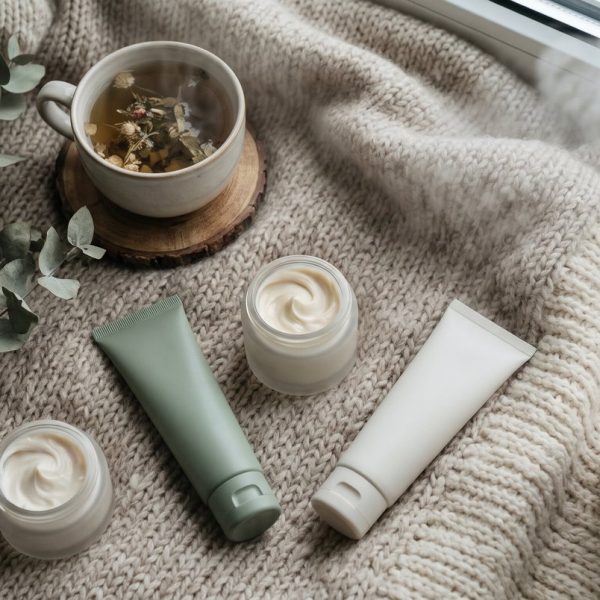
Every year, as the heating comes on and the temperature drops outside, the same complaints arrive: tight cheeks, flaky patches around the nose, hands that crack at the knuckles. Cold air holds little moisture, and indoor heating dries it out even further. A winter skincare routine does not need to be complicated, but it does need to be different from what works in July.
Here is a practical, dermatologist-informed approach to keeping dry skin comfortable through the cold months, without a bathroom shelf full of products.
Why Skin Gets Drier in Winter
Your skin's outer layer, the stratum corneum, acts like a brick wall. Skin cells are the bricks, and a mix of lipids (ceramides, cholesterol and fatty acids) forms the mortar. When humidity falls, water evaporates from that wall faster than usual. Hot showers, harsh cleansers and wind strip away some of the lipids, and the barrier starts to leak. The result is tightness, roughness, itching and sometimes redness.
The goal of a good winter routine is therefore twofold: stop removing what your skin needs, and replace what has been lost.
Building a Simple Winter Skincare Routine
Cleanse gently. Swap foaming or gel cleansers for a cream or milk cleanser that does not leave skin squeaky. If your skin is very dry, cleansing with plain lukewarm water in the morning is perfectly fine. Keep showers short and warm rather than hot.
Apply hydrating serums to damp skin. Humectants such as hyaluronic acid and glycerin draw water into the skin. They work best when applied while the face is still slightly damp, and they must be followed by a moisturizer, otherwise they can pull water out of the skin in very dry air.
Choose a richer moisturizer. This is where the real change happens. Look for a cream rather than a lotion, with barrier-supporting ingredients like ceramides, shea butter or squalane. If you want to understand what different formulas do, the Wikipedia overview of how moisturizers work explains the difference between humectants, emollients and occlusives in plain terms.
Seal it in at night. On especially dry areas, a thin layer of a simple occlusive such as petrolatum over your moisturizer reduces water loss while you sleep. A little goes a long way.
Keep wearing sunscreen. UV rays are still present in winter, and snow reflects a large share of them. A moisturizing SPF 30 or higher is an easy way to combine two steps.
Moisturizer for Dry Skin: What to Look For
Fragrance-free formulas are a sensible default when skin is irritated, because compromised skin reacts more easily. Check the label for ceramides, glycerin, urea in low concentrations or colloidal oatmeal. Thicker textures in tubs or tubes tend to be more effective than pump lotions, which have to stay thin enough to dispense.
The American Academy of Dermatology's tips for relieving dry skin recommend applying moisturizer within a few minutes of washing, while skin is still damp, and that single habit makes more difference than almost any product choice.
Many shoppers now buy skincare from Korean, Japanese or European brands online. If you do, make sure you understand the ingredient list and directions. Reputable brands invest in localized product descriptions so international customers know exactly what they are applying.
What to Pause Until Spring
Strong exfoliants and retinoids can be harder to tolerate in winter. You do not have to stop them completely, but consider using them less often, for example two or three nights a week instead of every night, and always pair them with a rich moisturizer. Skip abrasive scrubs entirely when skin is flaking; they create tiny tears in an already weakened barrier.
Alcohol-heavy toners are another common culprit. If your toner stings, that is a sign to switch to a hydrating essence or simply leave that step out.
Beyond the Bathroom Cabinet
A few lifestyle changes support everything you put on your skin. A humidifier in the bedroom adds moisture back to the air overnight. Soft cotton or silk layers next to the skin cause less friction than rough wool. Lip balm with a simple occlusive base and a thick hand cream after every wash will prevent most cracking.
Small devices can help too. Some people enjoy compact facial steamers or cool-mist humidifiers designed for a desk, and this roundup of wellness gadgets that fit into a busy day includes a few practical options.
Finally, if dryness turns into intense itching, cracking that bleeds or red, scaly patches that do not improve after two weeks of consistent care, see a dermatologist. Conditions like eczema often flare in winter and benefit from proper treatment.
Comfort Is the Goal
The best winter skincare routine is the one you will actually follow. Cleanse gently, layer hydration under a richer cream, protect with sunscreen and ease off the harsh actives. Give it two weeks and most people notice skin that feels calmer, softer and far more comfortable, no matter what the weather is doing outside.